SCIENCE (PRI)
Primary Science: P1 to P6
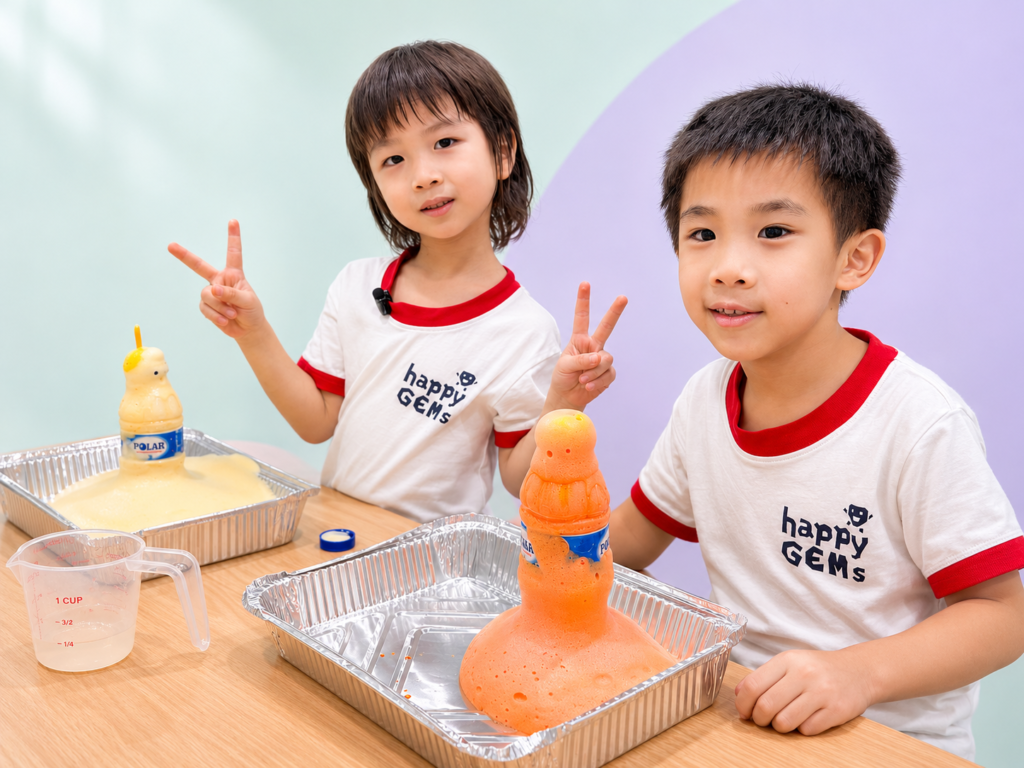
Although Science is formally introduced in school from Primary 3, a child’s curiosity begins much earlier. Our 100% hands-on P1–P2 science programme keeps that curiosity alive through experiments, guided discovery and purposeful questions. Children observe, test and explain what they see, building confidence and the habits of inquiry that prepare them for Primary 3 Science.
Where Science Comes to Life
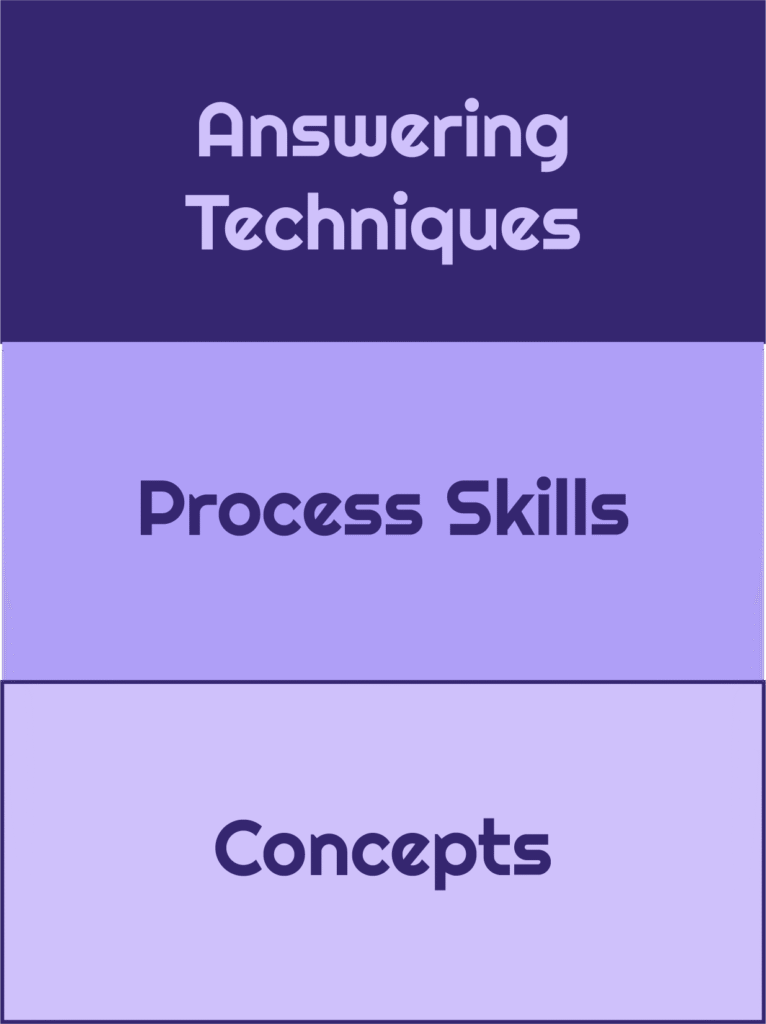
From Primary 3, students combine hands-on discovery with academic excellence. Through experiments, practical applications, and interactive learning, students build a deep understanding of scientific concepts while mastering essential process skills, including scientific inquiry, mnemonics, and buddy words.
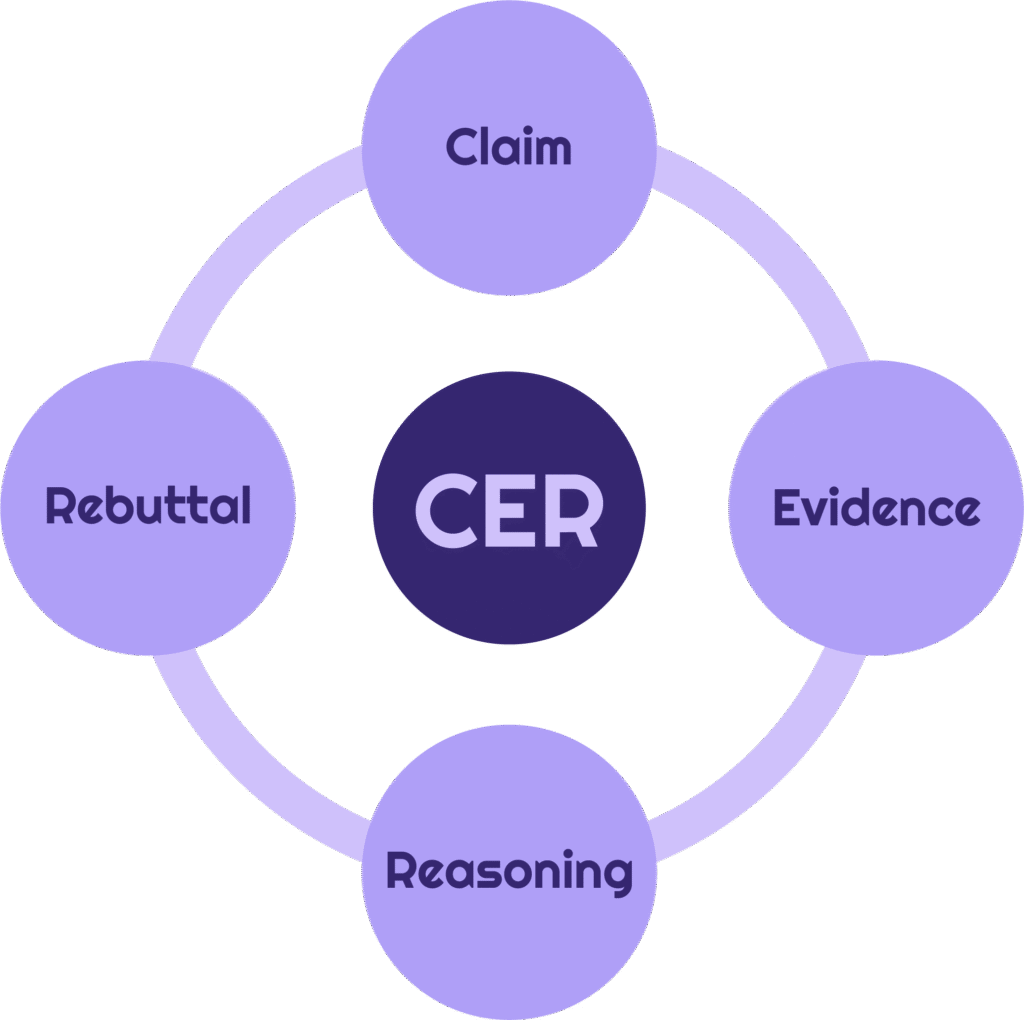
Our proprietary answering frameworks, including RPR and CER (Claim, Evidence, Reasoning), equip students with the confidence and techniques to excel in the PSLE and beyond.
Students develop strong scientific reasoning through the CER (Claim, Evidence, Reasoning) framework, a globally recognised approach developed by Krajcik and McNeill. By learning to support answers with clear evidence and logical reasoning, students gain the confidence to tackle open-ended PSLE questions with precision.
Combined with hands-on experiments, targeted practice, and personalised learning pathways, our approach strengthens both conceptual understanding and essential process skills for lasting success in Primary Science.
Science Beyond the Classroom
Designed for Primary 3 to 6 students, our lessons bring Science to life through hands-on discovery, real-world exploration and meaningful application. By combining conceptual understanding with exam-focused strategies, students build the confidence and skills needed to excel in the PSLE and beyond.
Science also extends beyond the classroom through RoboThink robotics, where children apply scientific concepts as they build, test and improve their robots. By exploring why a design works and how to make it better, they connect scientific understanding with practical problem-solving, developing curiosity, reasoning and the confidence to experiment. Learn more about RoboThink →
Primary 3 & 4
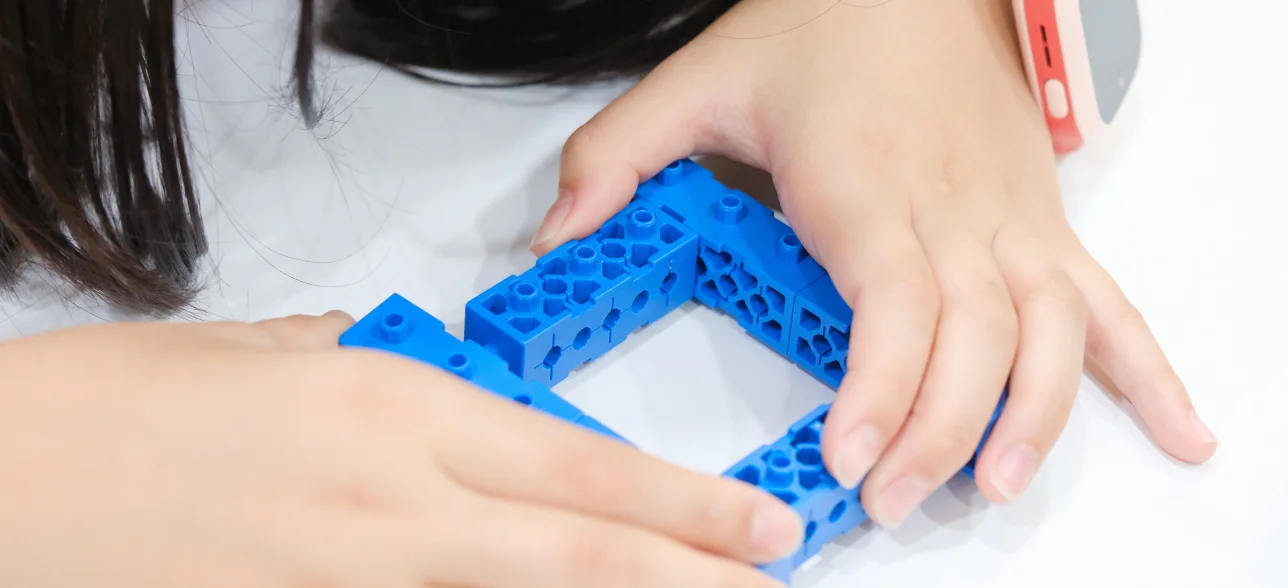
Students learn through simulations, hands-on experiments, and dramatisation that bring scientific concepts to life across topics such as plants, human body systems, life cycles, and magnets.
Through practical investigations, they develop a deeper understanding of scientific concepts, gain confidence in using laboratory apparatus, and strengthen essential process skills including observation, communication, analysis, and inference.
Students also learn to interpret experimental setups by identifying their purpose, variables, and expected outcomes, preparing them for both the PSLE and real-world scientific thinking.
Primary 5 & 6
As students prepare for the PSLE, they strengthen their scientific understanding by closing learning gaps and refining key process skills, including communication, prediction, analysis, and hypothesis formulation. Through targeted exam preparation, data analysis, and question interpretation, students learn to apply the CER framework to construct clear, accurate, and well-supported responses for open-ended questions.